
Koh Samui, Thailand
Transforming Koh Samui's organic waste into island-grown value.
Our flagship deployment applies the full Lifecycle Organics model to an island environment where waste management, tourism, agriculture, and sustainability are directly connected.
01 — The Challenge
An island that exports its most valuable resource.
Today, the majority of Koh Samui's waste is loaded onto trucks and ferries and shipped off the island for disposal — a costly, carbon-intensive supply chain that grows more strained every year as the island grows.
Nearly half of that stream is organic material: food waste, garden and landscape trimmings, and agricultural byproduct. Shipped away, it is pure cost. Processed locally, it becomes compost, fertilizer, and healthier soil for the island's own farms and green spaces.
Organic material diversion potential
Of the island's total waste stream
Transport spending that local processing could help reduce
Improved as an agricultural impact target
Created as an employment impact target
Figures represent program estimates and impact targets based on municipal waste data and project modeling.
02 — The Solution
One system. Four stages.
Instead of leaving by ferry, the island's organic material moves through a single integrated system and comes back as value.

Stage 01 — Collect
Separated at the source, kept on the island.
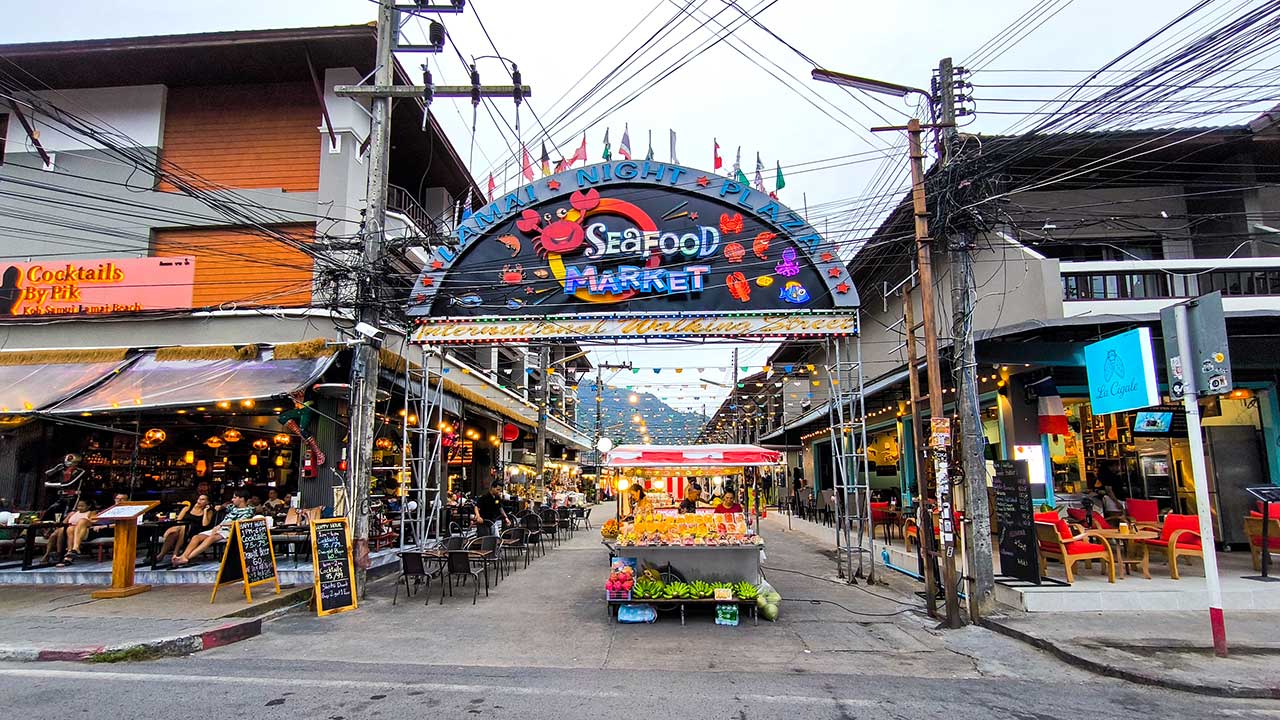
Organics are separated where they're generated — homes, resorts, restaurants, and markets — and routed through dedicated collection. What used to be the first leg of a trip to the mainland becomes the first step of a local supply chain.
- Island-wide organics collection network
- Source-separation standards for homes and businesses
- Clean, consistent feedstock for processing
Stage 02 — Process
Instead of a ferry, a facility.
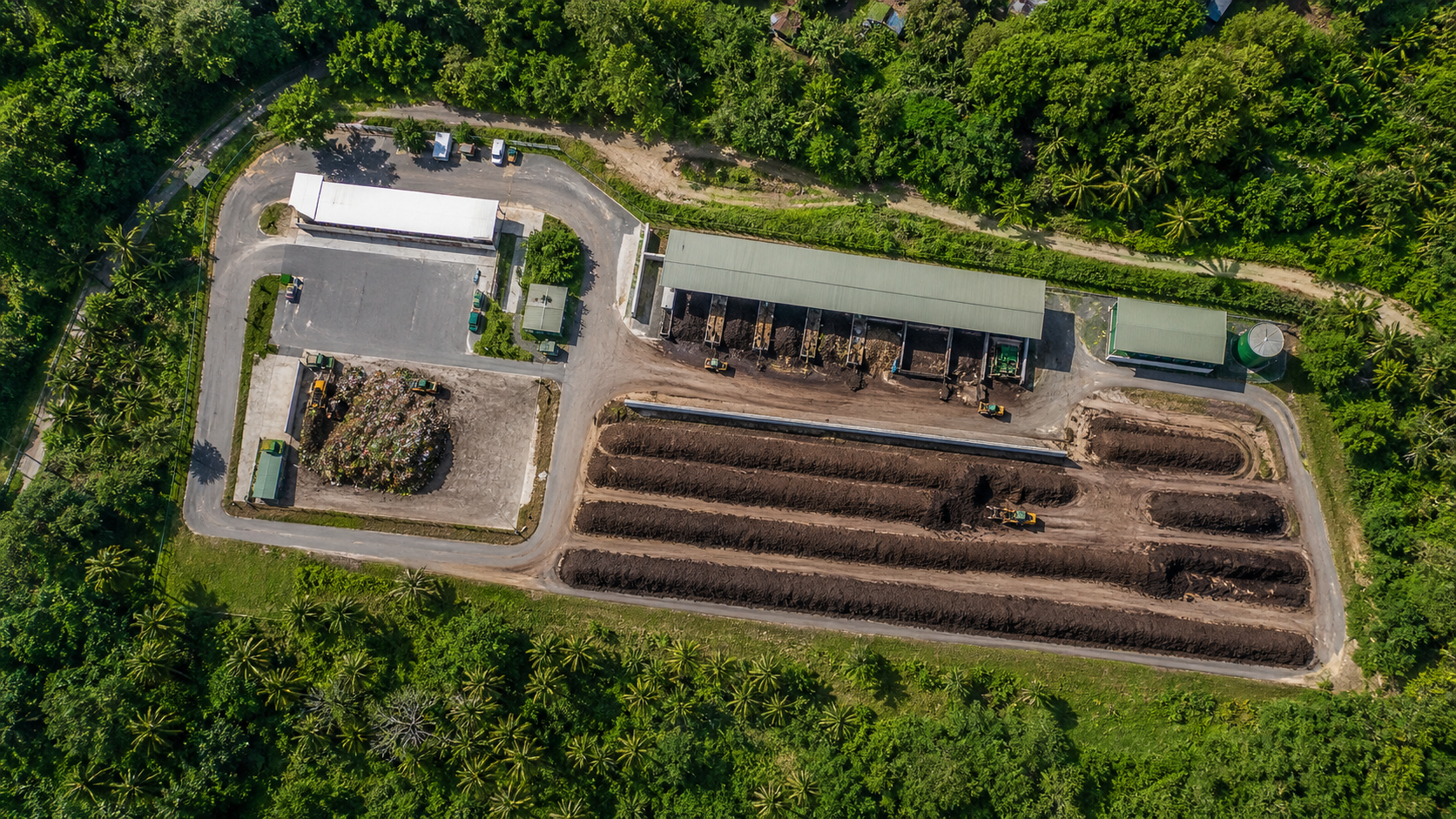
Collected material goes to local processing operations, not a barge. Controlled composting converts the island's largest waste stream into a working resource — managed, measured, and quality-assured at every stage.
- Controlled composting operations
- Quality assurance and monitoring throughout
- Throughput measured against diversion targets
Stage 03 — Produce
From waste stream to finished product.
The output is premium compost and organic fertilizer — manufactured on Koh Samui from Koh Samui's own material. Soil products that build structure, hold water, and feed the land, replacing inputs the island once imported.
- Premium compost production
- Organic fertilizer blends for local agriculture
- Replaces imported synthetic inputs
Stage 04 — Return
Back to the farms it came from.
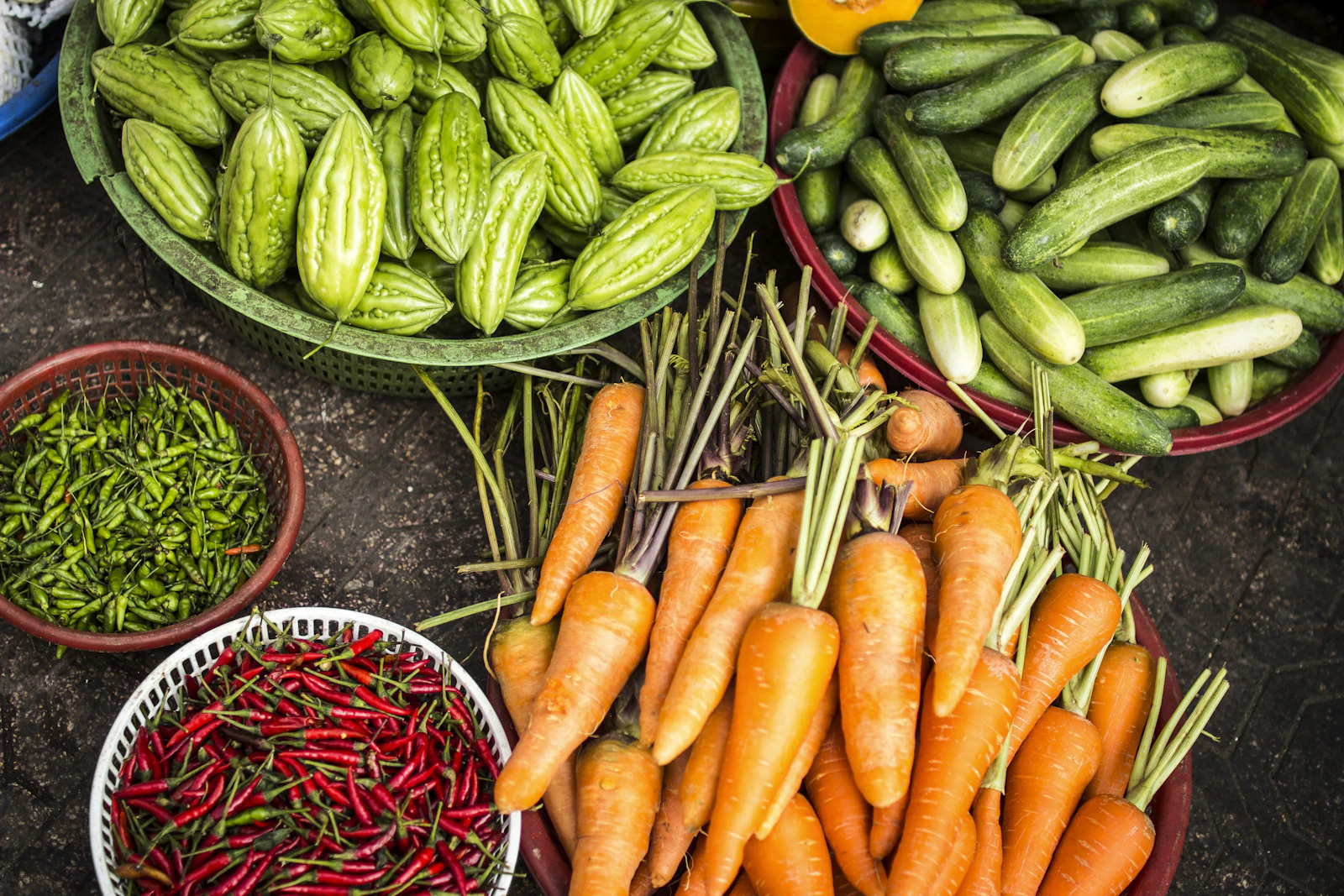
Finished products are applied across the island's orchards, farms, gardens, and public green spaces. Stronger soil grows better harvests — and the material that once left as cost comes home as value, ready to begin the cycle again.
- Local farms and orchards
- Public and resort landscapes
- Stronger soil, better harvests, repeating yearly
A closed loop — stage four feeds stage one, season after season.
03 — Outcomes
What the island gets back.
Every cycle of the system compounds the return — economic, agricultural, and environmental.
Lower waste costs
Every ton processed locally never pays for trucks, ferries, or mainland disposal.
Living soil
Organic matter and nutrients return to the island's farmland and green spaces.
Local jobs
Skilled work in collection, processing, and agronomy that stays on Koh Samui.
Resilient food systems
Healthier soil and local inputs strengthen the growers who feed the island.
A cleaner island
Less hauling, lower emissions, and less pressure on land and water.
The Vision
A national model for circular island economies.
Koh Samui offers a rare environment where a circular economy can be proven end to end: a defined geography, a concentrated waste stream, and an agricultural community ready to receive what the system produces. What works here becomes the blueprint for islands and coastal economies everywhere.